

22.1K
Downloads
527
Episodes
Lessons from the 4G class at Covenant Baptist Church, Lancaster, SC.
Episodes

Nov 4, 2018
Nov 4, 2018
38 min
From the opening verses of Hebrews, the author has been explaining the superiority of Christ from a number of angles. His argument has built gradually but relentlessly to a culmination of Jesus instituting the New Covenant. A Covenant with a single, sufficient, completed sacrifice.
Unlike the priest who is still standing with work left to do, Christ is seated at the right hand of God -- the sacrificial work is done.
Commentary material is here.
Oct 28, 2018
Oct 28, 2018
35 min
11 But when Christ appeared as a high priest of the good things that have come, then through the greater and more perfect tent (not made with hands, that is, not of this creation) 12 he entered once for all into the holy places, not by means of the blood of goats and calves but by means of his own blood, thus securing an eternal redemption. 13 For if the blood of goats and bulls, and the sprinkling of defiled persons with the ashes of a heifer, sanctify for the purification of the flesh, 14 how much more will the blood of Christ, who through the eternal Spirit offered himself without blemish to God, purify our conscience from dead works to serve the living God.
The Holy Bible: English Standard Version. (2016). (Heb 9:11–14). Wheaton, IL: Crossway Bibles.
Oct 14, 2018
Oct 14, 2018
31 min
(Publisher note: technical issues prevented recording of the prior two weeks of teaching.)
The author of Hebrews continues building the case of "better" in chapters 7 and 8. First, he asserts that Jesus is from a better priestly line (that of Melchizedek). Next, he explains that a better priest requires a better covenant. And, the new covenant is superior to the former.
Commentary material is here.
Sep 23, 2018
Sep 23, 2018
33 min
The writer of Hebrews has already been seen to shift back and forth between theology and exhortation -- sometimes abruptly. In today's passage, this rhetorical technique is on full display. Gone is the time for baby's milk; it's time to eat your vegetables. Further, to continue the food references, there is a "Wake up and smell the coffee!" tone to the teaching.
The writer seems to be saying something like this:
Considering the time and situation, you should be much further along in your understanding and relationship with Christ. It's time to recognize the reality of who you truly are in Christ and it's time for you to commit to going deeper than ever before.
Study notes/commentary excerpts are here.
Sep 16, 2018
Sep 16, 2018
30 min
The whole Law and the priesthood that administered it was necessary because sin separated us from God. This passage introduces the concept of a high priest who identifies with people and, via sacrifice, serves to bridge the gap created by sin. What human priests did in part, Jesus does infinitely better.
He is a sympathetic high priest who is approachable and ready for us to come to him in order to receive mercy and grace.
Study notes are here.
Sep 9, 2018
Aug 26, 2018
Aug 26, 2018
35 min
Our passage today continues some of the big themes of Hebrews: The Gospel is the culmination of what God and his redemptive history has been pointing to all along and Jesus is better than . . . In this chapter, Moses.
We also have another strong exhortation for apparent believers to examine where they are with Jesus:
"Consider Jesus" (ESV, NASB) or "Fix your eyes on Jesus" (NIV) and hold fast to your faith. Those in unbelief (v. 12, 19) are just fooling themselves by squatting in a house that they're not truly a part of.
Strong evidence of the security of one truly saved:
35 Jesus said to them, “I am the bread of life; whoever comes to me shall not hunger, and whoever believes in me shall never thirst. 36 But I said to you that you have seen me and yet do not believe. 37 All that the Father gives me will come to me, and whoever comes to me I will never cast out.
The Holy Bible: English Standard Version. (2016). (Jn 6:35–37). Wheaton: Standard Bible Society.
27 My sheep hear my voice, and I know them, and they follow me. 28 I give them eternal life, and they will never perish, and no one will snatch them out of my hand. 29 My Father, who has given them to me, is greater than all, and no one is able to snatch them out of the Father’s hand. 30 I and the Father are one.”
The Holy Bible: English Standard Version. (2016). (Jn 10:27–30). Wheaton: Standard Bible Society.
Therefore we know that it is the last hour. 19 They went out from us, but they were not of us; for if they had been of us, they would have continued with us. But they went out, that it might become plain that they all are not of us.
The Holy Bible: English Standard Version. (2016). (1 Jn 2:18–19). Wheaton: Standard Bible Society.
Commentary material for further study is here.
Aug 19, 2018
Aug 12, 2018
Aug 12, 2018
31 min
Like others that we'll look at in Hebrews, there are a number of perspectives and a number of applications. The overarching theme of the superiority of Jesus and the New Covenant continues to shine through (and also offers contextual clarity to the text).
Study notes are here.
Aug 5, 2018
Jul 29, 2018
Jul 29, 2018
38 min
As we are still in the very early stages of our study of Hebrews it's worth a reminder that it is being written to a congregation. And, like most all congregations, there is a mix of believers and unbelievers. Further, the unbelievers consist of two groups:
-those who know Jesus intellectually and are convinced of the claims of Jesus but have, for whatever reason, stopped short of putting their faith in Jesus and,
-those who aren't yet convinced of who Jesus is and what He has done.
It's critical, especially later in the book, to remember that the expected hearer of the message can shift between the three audience groups.
The writer of Hebrews continues the theologically rich introduction that started in 1:1 in one complete sentence all the way through verse 4. Covering just verses 2-3 gives us a multifaceted view of Jesus.
"Where there is a real Jesus, there is real hope!"
Study material and outline are here, drawing especially from commentaries by MacArthur and Wiersbe.
Jul 22, 2018
Jul 22, 2018
38 min
Bill starts off a new study today in the book of Hebrews -- a rich book of uncertain authorship but very certain authority. Today, we look at the background of those whom God used to reveal himself to us.
Study outline is here.
A link to commentary resources for personal study at BlueLetterBible.org is here.
Jul 15, 2018
Jul 15, 2018
37 min
This session served as a review of our study in Daniel and also offered some time for Q&A on topics related to the book.
** A helpful look at many topics regarding the topic of The Millennium in eschatology (the study of end times or "last things") can be found in a comprehensive collection of articles at Bible.org
** One question in class brought up the topic of the Judgment Seat of Christ (aka, "The Bema Seat"). This article, also from Bible.org, gives more detail.
** Purgatory came up. The Bible does not teach this concept at all. It is a Catholic teaching that evangelical Christians would identify as false. As stated at Catholic.com:
"The Catechism of the Catholic Church defines purgatory as a "purification, so as to achieve the holiness necessary to enter the joy of heaven," which is experienced by those "who die in God’s grace and friendship, but still imperfectly purified" (CCC 1030). It notes that "this final purification of the elect . . . is entirely different from the punishment of the damned" (CCC 1031).
The purification is necessary because, as Scripture teaches, nothing unclean will enter the presence of God in heaven...".
This view is false for a number of reasons, not the least of which is the implication that Jesus death on the cross was inadequate to make us righteous.
Articles with more information can be found here (from Bible.org) and here (from Equip.org).
Jul 8, 2018
Jul 8, 2018
33 min
Daniel 12 is a continuation of the angelic revelation to Daniel that started (in Chapter 10) on the banks of the Tigris River as Daniel was completing three weeks of prayer. It is a further look into the last days of the Great Tribulation and concludes with the encouragement to Daniel to "Go your way till the and. And you shall rest and shall stand in your allotted place at the end of the days."
Like Daniel, we can be encourged by God's sovereign control over all worldly events and rest in the knowledge of his love and care.
Study notes are here.
Jul 1, 2018
Jul 1, 2018
35 min
In Chapter 11 we have Daniel's record of the prophecy he received from the angel about the future of Israel. What was prophecy for Daniel is mostly history now for us. The amazing detail in Chapter 11 has fueled much of the argument that Daniel was written more recently than the traditional view.
Extensive discussion of this dispute is in the study notes.
In class, a History of the World video was shown to put the chapter into historical context. The pertinent section runs from ~4:25-6:25.
Also, a video showing the historical parallels specific to Daniel 11 was shown. The attribution of the latter verses of the chapter to Antiochus Epiphanes and not to a future Antichrist is disputed, of course.
Jun 24, 2018
Jun 17, 2018
Jun 17, 2018
38 min
The focus of Chapter 9 continues to be primarily focused on what happens to Israel.
Continuing the list of things that will be accomplished by the end of the 70 weeks:
*Make Atonement for iniquity
--Note -- there are two ways that Satan - the Accuser affects us: provoking fear and guilt. Remember that Psalms says that God removes our sin "as for as the east is from the west"
*Bring in everlasting righteousness
*Seal both vision and prophet
*To annoint a most holy place
The assumption is that the "Seventy Weeks" is actually 490 years where each "week" is 7 years. The Dispensational view is that the first 69 weeks have been completed and that we are now living in the Time of the Gentiles. This current day represents, in effect, a "parenthesis" in this countdown and the final "week" will be the last 7 years of the Great Tribulation.
Jun 10, 2018
Jun 10, 2018
37 min
Daniel 9 begins with Daniel's pray of confession for the sins of Israel and his plea, for the sake of Jerusalem for mercy. God answers by sending Gabriel with a message about a period of time, "seventy sevens" or "seventy weeks" where a number of things will be accomplished. The context for all of these things has to do with Israel (rather than Gentiles or the Church).
Class notes can be found here.
Jun 3, 2018
Jun 3, 2018
37 min
In Chapter 9 we find Daniel "in the books" of Jeremiah and he realizes that the prophesied 70 years of exile are coming to a close. His response is a deeply felt prayer of confession and repentence for the nation along with a request for God to restore the nation, the city and the people.
He references the nature of God in a number of ways including His covenant keeping and steadfast love (hesed).
The answer to this prayer is revealed in the verses that follow. Gabriel brings an answer and a prophecy. Here we hear about the "Seventy Weeks". In preparation for next week, Dr. Ray Stedman's message, found here, is a great introduction.
Notes and commentary material on Chapter 9 -- including background info on the nature of covenants and the use of the word hesed/chesed in scripture -- can be found here.
May 27, 2018
May 27, 2018
35 min
In Chapter 8 Daniel records another vision. This one occurs two years after the one described in Chapter 7. He sees another picture of the MedoPersian empire -- this time, as a ram. And, he sees another picture of Alexander the Great and the Greek generals that succeeded him. Of the four military generals, Seleucus held the most territory. 150 or so years later, one of his successors was Antiochus IV Epiphanes.
The horn that rises up among the four horns (Daniel (8:9) is thought to refer to Antiochus IV. And, the events around the desceration of the temple that he led are thought to be the foundation for the Maccabean revolt that occured in the years prior to the coming of Jesus in the Gospels.
From the ESV Study Bible (2008, Crossway Bibles, Wheaton, IL): "this horn grew great, even to the host of heaven, and some of the stars it threw down to the ground. . . almost certainly refers to saints who were killed during Antiochus IV's reign. It began the the assassination of the high priest Onias III in 170 BC and continued to the death of Antiochus IV in 164. Within those few years, he executed thousands of Jews."
Language in Chapter 8 by Gabriel suggests that, in addition to the prophecy already (from our perspective) fulfilled, the attributes applied to Antiochus IV may also serve as a type (i.e. a foreshadowing) for the Antichrist.
Background commentary excerpts can be found here.
May 20, 2018
May 20, 2018
33 min
The 7th chapter of Daniel marks a shift from narrative of history to figurative, apocalyptic language. We have imagery of four successive kingdoms. They seem to parallel the image in Nebuchadnezzar's dream from chapter 2: Babylon, Medes-Persians, Greece, and Rome. The 10 horns would correlate with the 10 toes of the image. The assumption is that these are 10 nations (some sort of remnant for the former Roman Empire?). Many picture the horn that comes to subjugate three others as the Antichrist of Revelation.
The extensive description of the fourth beast highlights evil and destruction. But, Daniel's vision also includes the Ancient of Days, sitting on a throne of judgement, firmly in charge of who gets dominion and when.
In our recent history there have been waves of evil: global wars, regional wars, evil that can be state-sponsored or perpetrated by the isolated and marginalized. It's not hard to feel discouraged. Daniel 7 reminds us that all is in God's control and the ultimate victory is His.
Study notes, primarily excerpts from commentaries can be found here.
May 13, 2018
Apr 29, 2018
Apr 29, 2018
30 min
Chapter 4 concludes Daniel's account of Nebuchadnezzar's reign. Chapter 5 begins a few decades later with the account of the last day's of Belshazzar's reign (as coregent with King Nabonidus). When the hand of God interrupts a feast with a message of prophecy and judgment, Daniel is identified as one who can interpret the divine message.
Supplementary study material, including the commentary excerpt read during the lesson, can be found here.
Apr 22, 2018
Apr 22, 2018
37 min
Daniel Chapter 4
The Second Dream
Introduction
Daniel is a book about God’s sovereignty. The events discussed are prophesied by Jeremiah. Because God is sovereign, He can use whomever he wants in order to bring about his purposes. Nebuchadnezzar/Babylon is used as an instrument of punishment and correction for Israel’s failure to remain committed to Him.
Verses 4:1-3 Nebuchadnezzar praises God
This is a continuation of the story of the fiery furnace in Chapter 3
Verses 4:4-18 Nebuchadnezzar has another dream
A large amount of time passes between verses 3 and 4
Nebuchadnezzar has a dream about a large and bountiful tree
“Seven periods of time” – seven years is the best guess
When his usual diviners and counselors couldn’t interpret the dream his sends for Daniel (aka, Belteshazzar)
Verses 4:19-27 Daniels interpretation of the dream
The first response of Daniel is to be alarmed and dismayed since he realized that this dream was against the king.
The dream predicts judgment upon Nebuchadnezzar for seven [years]
Daniel pleads with the king to repent in the hopes that he might be spared or that God’s judgment might be delayed.
Verses 4:28-33
12 months after Daniel interpreted the dream, Nebuchadnezzar reflects on his kingdom and on “the glory of my majesty.”
Luke 12:16-21 – The Parable of the Rich Fool – a lesson on the insignificance of riches
Acts 12:21-22 – “an angel of the Lord struck him down, because he did not give God the glory …”
“While the words were still in the king’s mouth . . . a voice from heaven” pronounced that the judgment predicted was now starting and “The kingdom has departed from you . . . until you know that the Most High rules the kingdom of men and gives it to whom he will.”
Seven years makes sense because it would have taken a while for his hair to grow so long
Zoanthropy: a monomania in which a person believes himself changed into an animal and acts like one.
Verses 4:32-37 – Nebuchadnezzar is restored.
Apr 15, 2018
Apr 15, 2018
36 min
One of the more famous stories in the whole Bible, the account of three courageous young men who put their whole faith in God still serves as an encouragement to His people today.
The video of "The Fourth Man" by the Statler Brothers can be viewed here.
The video of the Syrians in the Lebanese refugee camp can be viewed here.
Apr 8, 2018
Apr 8, 2018
33 min
The World History Maps referenced in today's lesson can be found here. The 600 BC, 323 BC, and 1 AD maps are especially helpful.
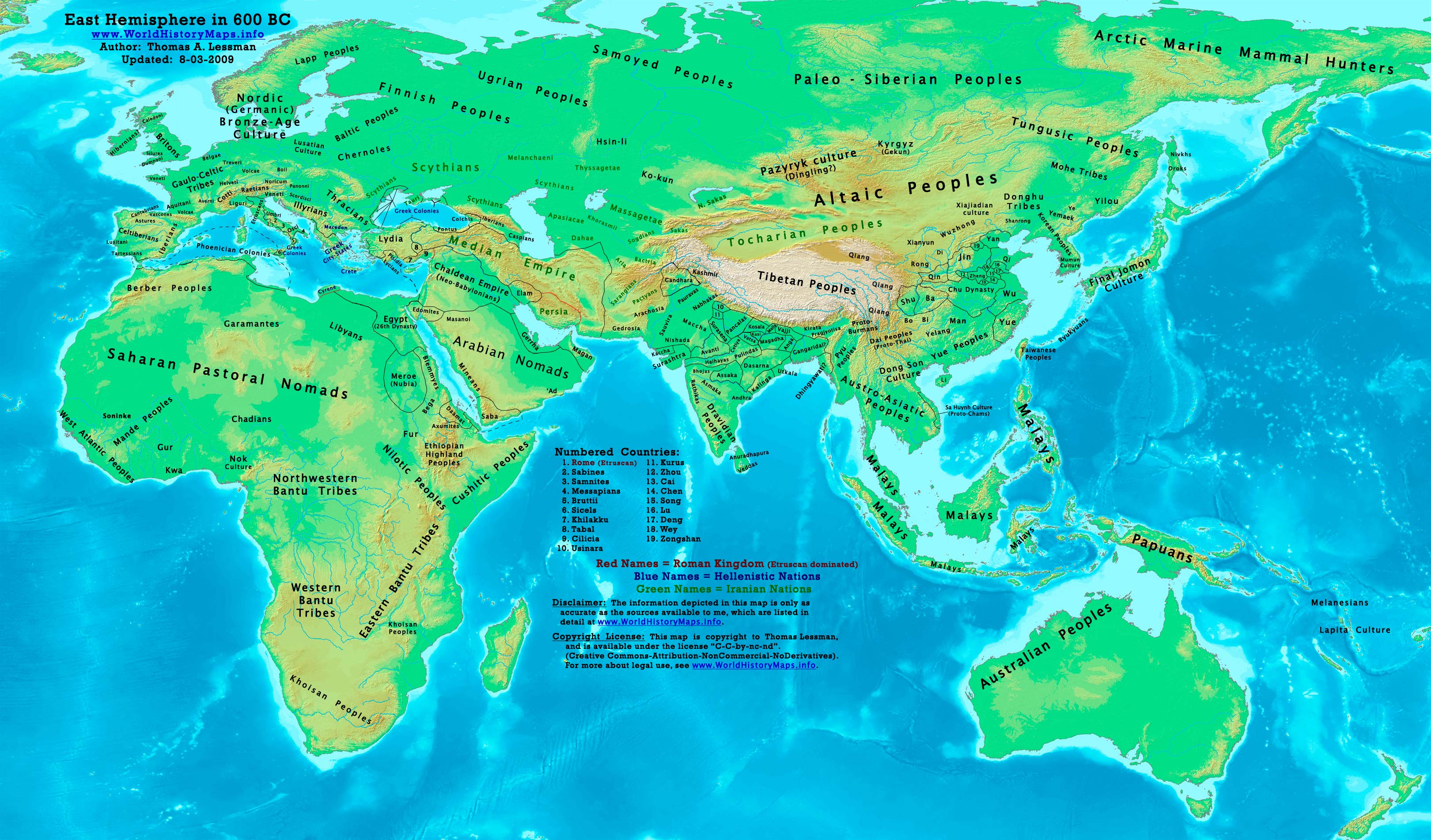
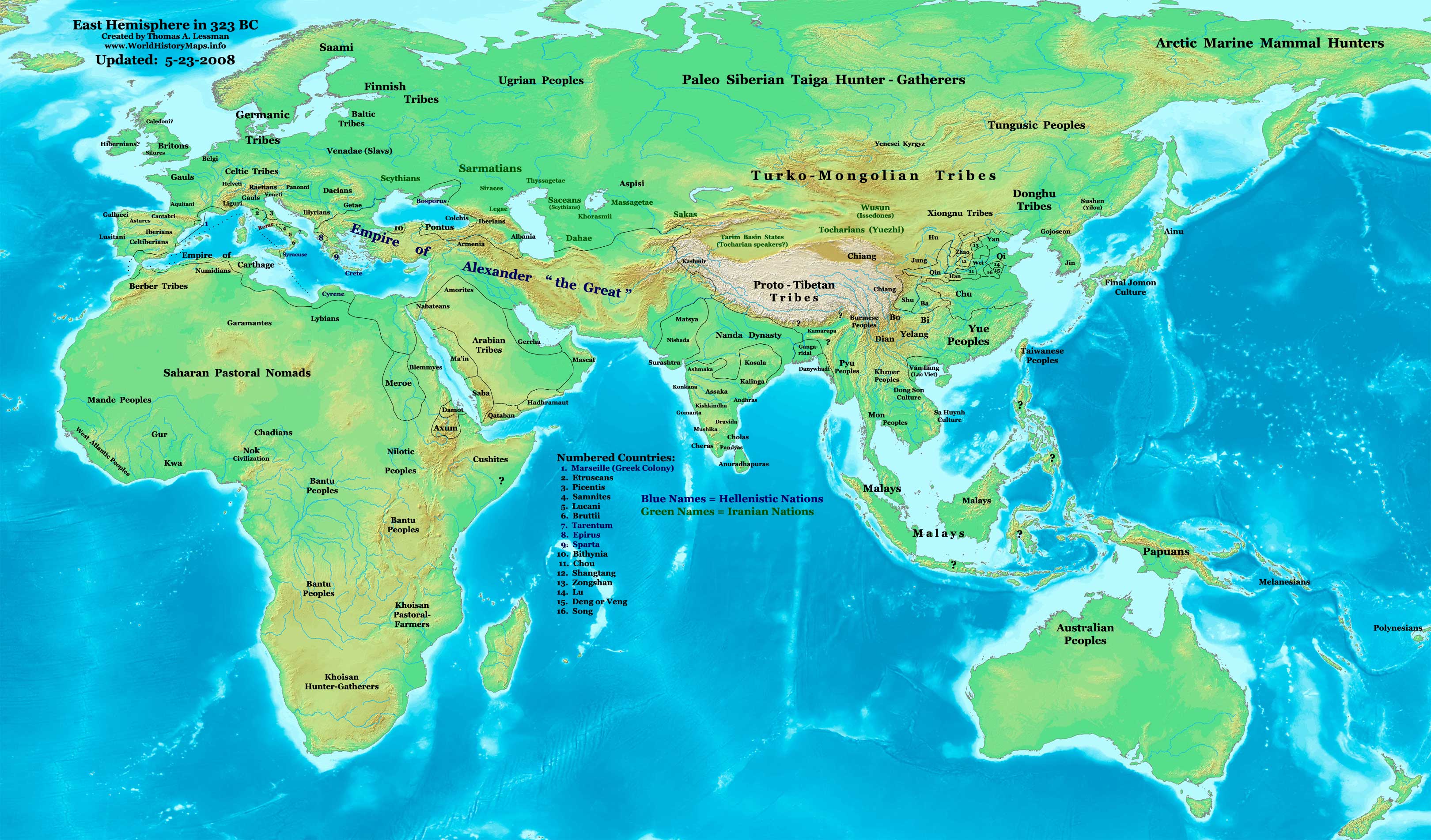
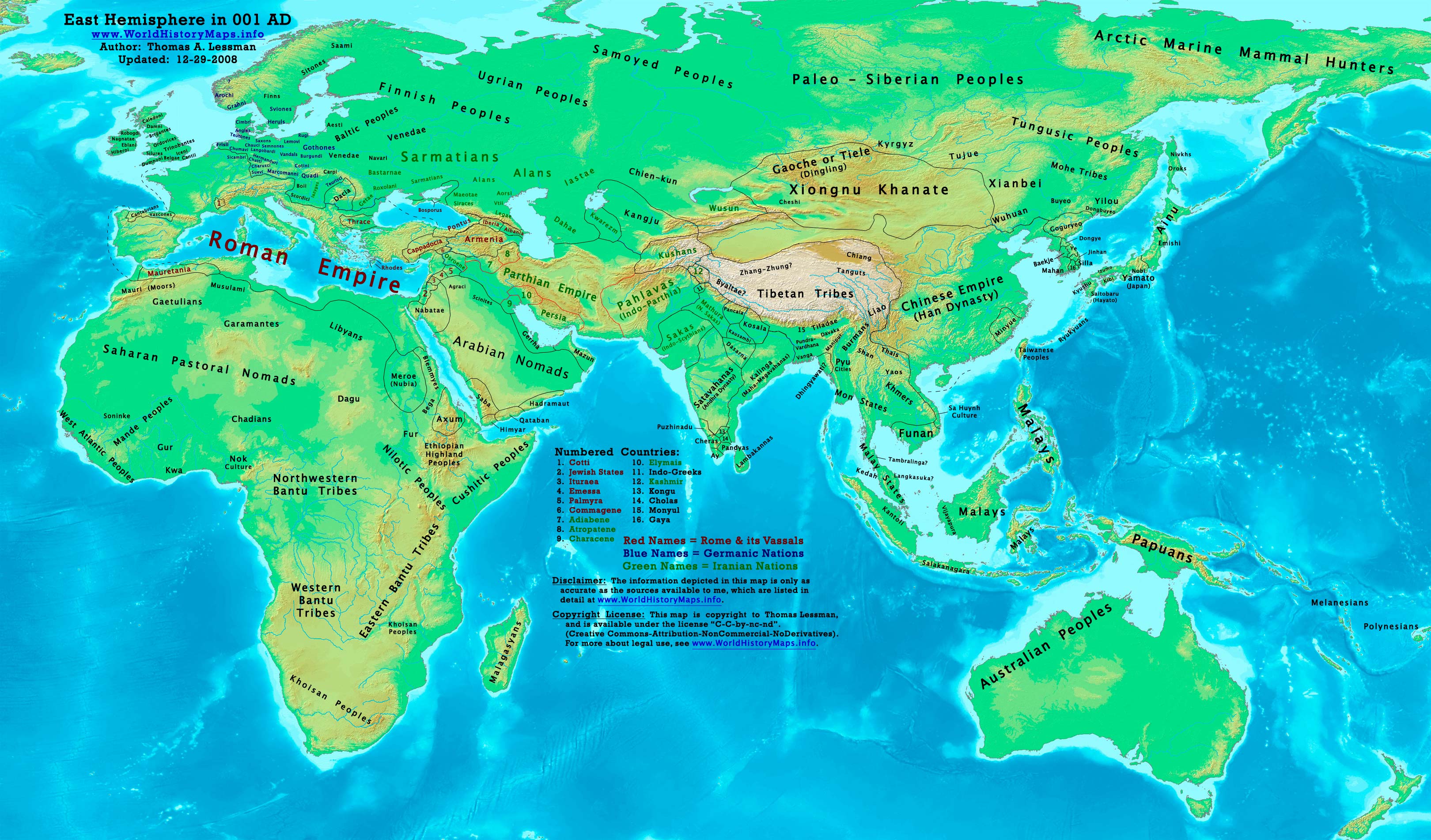
A number of pastors have attempted to understand and explain Daniel through a traditional/conservative lens. Dr. Ray Stedman's sermon on Daniel 2:32-45 is a a good example of this.
Apr 1, 2018
Apr 1, 2018
25 min
In this section, we hear the description and interpretation of Nebuchadnezzar’s dream. We hear of a statue composed of different metals. The traditional interpretation is that these different metals represent different empires: the Babylonians, the Medes and Persians, the Greeks including Alexander the Great, and the Roman Empire. A clarification with respect to the mention of race: in Old testament days, the Israelites were advised to marry within their faith. Of course, nowadays, seen theologically, there are really only two races: the saved and the unsaved. To be clear, Christians are perfectly free to marry other Christians irrespective of race or culture.
Mar 4, 2018
Mar 4, 2018
37 min
Ultimately, the book of Daniel is another way God reveals Himself to us. In this chapter we learn of God's sovereignty over world events as well as His grace toward Daniel and his companions.
Several miracles here:
- Better health in just 10 days
- Besting the "natives" in the most advance knowledge of the day
- Navigating the highest levels of politics, as an outsider, for over 60 years
Our culture is arguably as pagan as the one in Babylon. How do we engage the culture? Where do we draw our personal line in the sand to serve as a reminder that we are God's people in an alien land?
Background commentary and study notes are here.
Feb 25, 2018
Feb 25, 2018
31 min
The book of Daniel opens "in the third year of the reign of Jehoiakim king of Judah" which is estimated to be ~ BC 605. Jerusalem and all but the poorest in the land were taken into captivity. This, a fulfillment of the prophecy regarding the judgment due to God's people who failed to keep Him first.
The chart of kings and prophets can be found here. Bill's timeline chart used in the class is here.
Extensive background passages are included into today's teaching:
Exodus 19:5-8, 20:3-6
Joshua 24:14-24
1 Kings 2:1-4, 9:1-9, 11:1-13 and 41-43
2 Kings 12:1-21
Jeremiah 19:1-9, 21:3-7, 22:24-25, 24:1-8, 25:8-11, 27:1-11, 29:3-20
Bill references the work of Clarence Larkin regarding Daniel as a useful tool in understanding Daniel. Larkin's chart regarding Daniel illustrates the dispensational perspective on interpreting the book. This is considered helpful but not authoritative as the last word, of course.
Feb 11, 2018
Feb 4, 2018
Feb 4, 2018
30 min
In our next installment, Felix passes the baton of "the Paul problem" to Festus. Quickly, we hear that even after two years, the Jews are still in an uproar. Once again, they try to make a case for Rome to either condemn Paul or hand him over to them. But, Paul has no interest in returning to the "justice" of Jerusalem. Rather, he appeals to Caesar.
King Agrippa comes on the scene and Festus asks his help in explaining to Caesar why he's being sent to Rome. With unintentional clarity, Festus explains that the issue the problem the Jews have is (Acts 25:19) "Rather they had certain points of dispute with him about their own religion and about a certain Jesus, who was dead, but whom Paul asserted to be alive."
The Holy Bible: English Standard Version. (2016). (Ac 25:19). Wheaton, IL: Crossway Bibles.
Jan 28, 2018
Jan 28, 2018
26 min
Acts 23
The Plot to Kill Paul, Paul Sent to Felix
Introduction – Great is Thy Faithfulness
Music video with The Gaithers featuring Wes Hampton
Reading – Acts 23:6-24:26
Timeline of events from Acts 22-24
- Paul’s Speech before the Temple Mob (22:1–21).
- The Attempted Examination by the Tribune (22:22–29).
- Paul before the Sanhedrin (22:30–23:11).
- The Plot to Ambush Paul (23:12–22).
- Paul Sent to Caesarea (23:23–35).
- The Trial in Caesarea (24:1–23).
- Paul and Felix in Private (24:24–27).
- Festus Pressured by the Jews (25:1–5).[1] [with some renumbering]
Conviction
After Paul discussed things with Felix, Felix came under conviction.
“Conviction is a powerful thing.” The Word can bring conviction. 12For the word of God is living and active and sharper than any two-edged sword, and piercing as far as the division of soul and spirit, of both joints and marrow, and able to judge the thoughts and intentions of the heart.[2] [NASB95]
[1] Dockery, D. S., Butler, T. C., Church, C. L., Scott, L. L., Ellis Smith, M. A., White, J. E., & Holman Bible Publishers (Nashville, T. . (1992). Holman Bible Handbook (pp. 665–666). Nashville, TN: Holman Bible Publishers.
[2] New American Standard Bible: 1995 update. (1995). (Heb 4:12). La Habra, CA: The Lockman Foundation.
Jan 21, 2018
Jan 21, 2018
28 min
Acts 22:1-23:11
Introduction
The current passages are heavy on historical content and theological messages are subtler.
The passage highlights Paul’s continual devotion to sharing the gospel every chance he got.
The persecuted church is tracked by Open Doors. There are Christians who are subject to persecution daily. Open Doors’ World Watch List is found here.
John 8:31-47
31So Jesus was saying to those Jews who had believed Him, “If you continue in My word, then you are truly disciples of Mine;
32and you will know the truth, and the truth will make you free.”
33They answered Him, “We are Abraham’s descendants and have never yet been enslaved to anyone; how is it that You say, ‘You will become free’?”
34Jesus answered them, “Truly, truly, I say to you, everyone who commits sin is the slave of sin.
35“The slave does not remain in the house forever; the son does remain forever.
36“So if the Son makes you free, you will be free indeed.
37“I know that you are Abraham’s descendants; yet you seek to kill Me, because My word has no place in you.
38“I speak the things which I have seen with My Father; therefore you also do the things which you heard from your father.”
39They answered and said to Him, “Abraham is our father.” Jesus said to them, “If you are Abraham’s children, do the deeds of Abraham.
40“But as it is, you are seeking to kill Me, a man who has told you the truth, which I heard from God; this Abraham did not do.
41“You are doing the deeds of your father.” They said to Him, “We were not born of fornication; we have one Father: God.”
42Jesus said to them, “If God were your Father, you would love Me, for I proceeded forth and have come from God, for I have not even come on My own initiative, but He sent Me.
43“Why do you not understand what I am saying? It is because you cannot hear My word.
44“You are of your father the devil, and you want to do the desires of your father. He was a murderer from the beginning, and does not stand in the truth because there is no truth in him. Whenever he speaks a lie, he speaks from his own nature, for he is a liar and the father of lies.
45“But because I speak the truth, you do not believe Me.
46“Which one of you convicts Me of sin? If I speak truth, why do you not believe Me?
47“He who is of God hears the words of God; for this reason you do not hear them, because you are not of God.”[1] (NASB)
Acts 22
Recall that the opposition to Paul was primarily “the Jews from Asia” (Acts 21:27)
After receiving permission from the tribune to speak, Paul motions to the crowd. After they hushed, he began to speak to them in Hebrew
Paul begins by recounting his education and then he mentions his early years as a Jewish zealot – a persecutor of the church. His description of his conversion on the way to Damascus then leads to an episode of a time when he was praying in the temple, fell into a trance and then was warned about opposition to come and his instruction “for I will send you far away to the Gentiles”. (22:21)
After Paul finished, the crowd rose up in disgust saying “he should not be allowed to live”. The tribune separates Paul from the mob and then quizzes him. Paul informs him of the authenticity of his Roman citizenship by birth.
Acts 23
The tribune, in an effort to understand why the Jews were so upset with Paul, convenes the Jewish council, including the high priest.
Paul discusses his hope of the resurrection which caused a divide among the Pharisees and Sadducees. The Sadducees didn’t believe in the more supernatural things like angels and the resurrection while the Pharisees did.
When it appeared that the group was about to become violent, the tribune took Paul to the barracks.
While in the barracks was the Lord comes to Paul saying, “Take courage, for as you have testified to the facts about me in Jerusalem, so you must testify also in Rome.”
Luke 12:8-12 “And I say to you, everyone who confesses Me before men, the Son of Man will confess him also before the angels of God;
9but he who denies Me before men will be denied before the angels of God.
10“And everyone who speaks a word against the Son of Man, it will be forgiven him; but he who blasphemes against the Holy Spirit, it will not be forgiven him.
11“When they bring you before the synagogues and the rulers and the authorities, do not worry about how or what you are to speak in your defense, or what you are to say;
12for the Holy Spirit will teach you in that very hour what you ought to say.”[2]
Application
“When you are doing what God wants you to do, God’s got your back”. But, it’s no guarantee that there will not be trials and hardship along the way.
[1] New American Standard Bible: 1995 update. (1995). (Jn 8:31–47). La Habra, CA: The Lockman Foundation.
[2] New American Standard Bible: 1995 update. (1995). (Lk 12:8–12). La Habra, CA: The Lockman Foundation.
Jan 14, 2018
Jan 14, 2018
35 min
Chapter 20 ends with a warm farewell by Paul to his closest friends and companions. Chapter 21 opens with the journey back to Judea. Paul wants to get back to Jerusalem. We find warnings that it's not going to go well there . . .
Paul is determined, his companions hang with him, the pace quickens as the narrative becomes more detailed and Paul's life moves into a decidedly different phase . . .
Commentary excerpts, including background information about the Nazarite vow, are found here.
Jan 7, 2018
Jan 7, 2018
28 min
Thoughts for the New Year – 2018
Introduction
Though it’s only another day, it’s worth considering some things about a fresh year.
This year is worthy of a fresh focus: forgetting the disappointments of the past and leave them with the Lord.
Consider reading through the Bible this year. It helps us understand the things that are happening now. No matter how many times you do it, there is always something new to hear. It takes about 20 minutes a day. All of us can find this time.
Church
We need to pray for our church. Winning the lost “is why we’re in business. . . .Let the Lord lead us to people and pray to that end . . .”
Persecution and passion to tell people about Jesus
John 15:18-19 – Jesus expected persecution and predicted it for his followers. We’ve seen this in Acts . . .
Acts 13:49-50
Acts 16:20-24
Act 19:8-10 Paul persevered and the Gospel continued to spread . . .
The Insanity of God, Nik Ripken – insight into the persecuted church
The strategy of Satan: denying the world access to Jesus. “His [Satan’s] greatest desire is for the people of this world to leave Jesus alone.”
People ask “Is persecution coming to America? . . . Why would Satan want to wake us up? He’s already shut us up . . .”
The story of Samira . . .
“How we take for granted . . .”
Closing
Why are we in business?
What is our responsibility?
Dec 31, 2017
Dec 31, 2017
31 min
Acts 20 shows us a Paul who is wrapping up yet another missionary adventure, once again avoids a plot against his life and shows us the heart of a pastor.
We see an account that is both humorous and informative regarding a Lucky guy: A defense against false accusations against The Way, a picture of how the early church gathered together, and a reminder of the resurrection's triumph over death!
Finally, we see Paul pour his heart out to the leaders of the church at Ephesus and encourages those who had been followers to become leaders and sets his sights on a future that he knows will be perilous.
Study notes are here.
Dec 3, 2017
Nov 26, 2017
Nov 26, 2017
30 min
Nov 19, 2017
Nov 12, 2017
Nov 12, 2017
34 min
As Paul continues to make his way west, he encounters Jews who are skeptics and Jews who are receptive. He meets resistance and also curiosity. Acts 17 culminates in an opportunity to reveal to the Greeks a God like they've never known (but who wants to be known!)
Supplementary material is here.
Nov 5, 2017
Oct 15, 2017
Oct 8, 2017
Oct 1, 2017
Oct 1, 2017
29 min
After Paul and Barnabas finish up their first missionary journey, they come back to Antioch (in Syria). While there, they are confronted by a group (unauthorized) from Jerusalem who proclaimed (to those Gentiles that were already saved! Stedman) that circumcision was required to be saved.
This issue so closely parallels the main topic of Galatians that some speculate that Galatians was written during this time.
Today's lesson reminds us that nothing is required for us to be saved other than to receive God's saving grace. It also sets us up for the rest of the story which offers rich teaching about a number of things:
- conflict and how Christians can sort it out
- the beauty of grace
- the insufficiency of the law
- what good compromise looks like
- when it can be appropriate to restrict your own freedom
Class notes are here.
Sep 24, 2017
Sep 24, 2017
37 min
In this passage we see Paul and Barnabas continue to various cities and towns in the region of Lycia and Galatia, sharing the Gospel as they go. The response varies but, often, there is a polarizing effect: there are believers and there is opposition (usually instigated by the Jews).
After going as far as Derbe, they backtrack, encouraging the believers and helping develop and appoint leaders for the young churches.
Thought questions for the week:
- Are you using God-given wisdom to navigate your way in relation to the people and situations that you encounter? When do you linger and when do you move on? When do you fight opposition and when do you spend your energy better somewhere else?
- Is the Gospel you live and speak polarizing in the way it was with Paul and Barnabas?
Background information for the lesson is here.

Map: Wright, T. (2008). Acts for Everyone, Part 2: Chapters 13-28 (p. 25). London: Society for Promoting Christian Knowledge.
Sep 17, 2017
Sep 17, 2017
32 min
After leaving Cyprus, Paul and Barnabus head north to the mainland of Asia Minor. In the port city of Perga they part ways with John Mark. Then, they head further north and into the mountains to reach Antioch in Pisidia -- a crossroads town with a synagogue.
Given the opportunity, Paul tells these Jews and God-fearers the story of Jesus: He is a greater Moses, He is a greater David and He is exhalted and is the Savior that the Law never could be. The hearers were eager to hear more as our focal passage concludes.
Supplementary material making the connections with the many Old Testament references used by Paul is available here.
Sep 10, 2017
Sep 3, 2017
Sep 3, 2017
27 min
Acts 12
Introduction
There were a number of Herods
Herod the Great did a number of public works projects. And, knowing that the Jews were all about Temple-based worship, he built and expanded the Temple.
As long Herod and his descendants were able to keep the Jews in line, Rome allowed them to be in power. Herod was an Edomite, a descendant of Esau
Verses 1-5
The Herod in Acts 12 is Herod Agrippa I, a grandson of Herod the Great
James, the brother of John, was the first martyr of the original disciples. (John, the writer of Revelation, was the last)
“When he saw that it pleased the Jews” Peter was arrested as well; this was during Passover.
Verses 6-17
As we saw in Acts 4 and 5, being in jail was no new thing for Peter
Peter was being prayed for.
After Peter was released, he gave all the credit to the Lord.
Aug 27, 2017
Aug 27, 2017
37 min
In this passage we see Peter give his testimony of the conversion of Cornelius and his household to the church in Jerusalem. In so doing he quietens the division in the church that would see believers become Jews before they become Christians.
We also see the power of encouragement as evidenced by Barnabus. He also recognizes the spiritual need of the new believers in Antiochs and encourages Saul/Paul to come to Antioch for the sake of these new converts.
Finally, we see a great example of New Testament giving: see the need --> give as you are able.
Supplementary commentary material here. Here (again) is the map of the area, including Antioch. At the time, it was the third largest city in the Roman Empire.
Aug 20, 2017
Aug 20, 2017
32 min
The concept of Acts 10 being about "Double Vision" is credited to N. T. Wright (see some of his quotes in the supplementary material). This passage has a lot to say about the conversion of the devout Roman Cornelius. But, it also has a lot to say about the conversion of Peter; his thinking, his background, his prejudices.